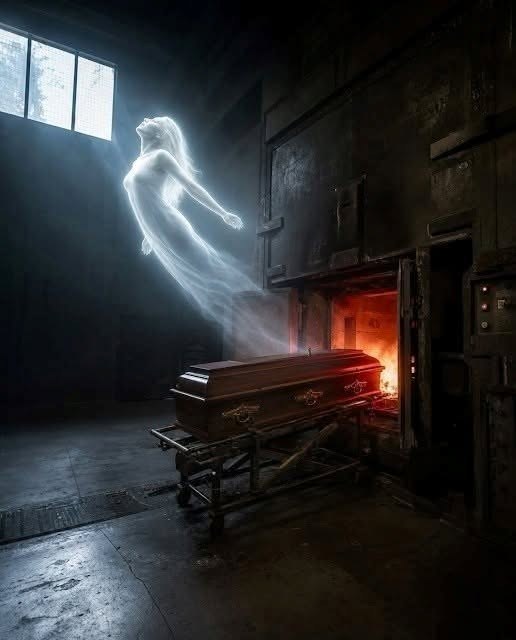
What the Bible Says About the Sin of Cremation May Surprise You
For generations, Christians have wondered whether cremation is a sin or whether burial is the only acceptable way to lay a loved one to rest. It is a deeply personal question, especially for families making funeral arrangements while grieving someone they love.
Some believers insist that the body must be buried because of biblical traditions. Others believe cremation is an acceptable choice, pointing to God's power over life, death, and resurrection. But what does the Bible actually say?
The answer may be more nuanced than many people expect.
Does the Bible Explicitly Forbid Cremation?
One of the most important things to understand is that the Bible does not explicitly state that cremation is a sin or issue a universal command forbidding it.
Burial was the common practice among many biblical figures. Abraham buried Sarah, as described in Genesis 23, and Jesus was placed in a tomb following his crucifixion, according to the Gospels.
These accounts help explain why burial has held such an important place in Jewish and Christian traditions.
However, describing burial as a common biblical practice is not the same as saying that every other method of handling the dead is automatically sinful.
Scripture does not contain a direct command stating that every deceased person must be buried rather than cremated.
Why Was Burial So Important in Biblical Times?
In the ancient world, burial was closely connected with family, dignity, mourning, and respect for the deceased.
In Genesis 49:29–31, Jacob gives instructions concerning his burial with his ancestors. In John 19:38–42, Joseph of Arimathea and Nicodemus prepare Jesus' body for burial.
These passages demonstrate the significance of burial in biblical culture. For many Christians, they also provide a meaningful example of honoring the dead.
Burial can express hope in God's promises and respect for the body. Nevertheless, Christians differ on whether these examples establish a binding rule for every believer.
What About the Biblical Stories Involving Fire?
Some people point to passages in the Old Testament in which burning human remains is associated with judgment or dishonor.
For example, Amos 2:1 condemns the king of Moab for burning the bones of the king of Edom. Other biblical passages describe burning in the context of punishment, warfare, or particular religious practices.
These accounts should be understood in their historical and literary contexts. They do not necessarily describe modern cremation as a funeral choice made by a grieving family.
The circumstances and intentions matter when interpreting these passages. A biblical account of a body being burned as an act of humiliation is not automatically a prohibition against cremation as a respectful funeral practice.
Can God Raise a Cremated Body From the Dead?
For many Christians, this is the most important question.
The Christian belief in resurrection rests on God's power to raise the dead, not on the preservation of a person's physical remains in a particular location.
In 1 Corinthians 15:35–44, the apostle Paul discusses questions about the resurrection body. He uses the image of a seed being planted and transformed to explain that the body that is raised differs from the body that dies.
This passage does not specifically discuss modern cremation. However, many Christians understand it as emphasizing God's power to bring about resurrection through transformation.
Bodies buried for centuries eventually decompose. Others have been lost at sea, destroyed in fires, or never recovered after disasters. These circumstances do not necessarily present an obstacle to belief in God's power.
For Christians who accept cremation, the hope of resurrection rests in God rather than in the physical condition of the remains.
Does Choosing Cremation Show a Lack of Faith?
A family's decision may be influenced by financial circumstances, cultural traditions, personal wishes, geography, or the preferences of the deceased.
Some Christians choose burial because it reflects their understanding of Scripture and the importance of honoring the body. Others choose cremation while maintaining a sincere belief in the resurrection.
It would be misleading to declare that every Christian who chooses cremation has rejected God or committed a sin.
At the same time, certain Christian traditions teach that burial should be preferred or place specific restrictions on cremation. Believers who belong to those traditions may wish to speak with their pastor, priest, or other religious leader before making a decision.
Understanding the teachings of one's own church can help families make choices consistent with their faith.
What Do Different Christian Traditions Teach?
Christianity does not have one universally shared practice concerning cremation.
Roman Catholic Church: Cremation is permitted, provided it is not chosen for reasons contrary to Christian teaching about the resurrection. The Church generally prefers that cremated remains be kept in a sacred place and does not ordinarily permit their scattering or division among family members.
Eastern Orthodox churches: Many generally favor burial and may discourage or prohibit cremation, although pastoral circumstances and local practices can vary.
Protestant churches: Views differ. Many denominations permit cremation, while some individual churches or believers prefer traditional burial.
These differences demonstrate why it is important to distinguish a particular church's teaching from a direct biblical command.
What Should Christians Consider Before Making a Decision?
When a loved one dies, the family is often faced with difficult decisions during a time of sorrow. Questions about cremation should be approached with compassion rather than fear.
Read the relevant Scriptures. Passages such as Genesis 23, John 19:38–42, and 1 Corinthians 15 can help you understand biblical burial practices and the Christian hope of resurrection.
Consider your church's teaching. If you belong to a denomination with specific funeral guidelines, seek guidance from your religious leader.
Respect the wishes of the deceased. A person's documented funeral preferences may be important to the family and consistent with their beliefs.
Avoid judging another person's faith based solely on funeral arrangements. Families may face circumstances that others do not know about.
A funeral is an opportunity to honor a person's life, support those who are grieving, and reflect on the meaning of death and hope.
The Final Answer: Is Cremation a Sin According to the Bible?
The Bible emphasizes respect for the dead, describes burial as a common and honorable practice, and teaches the Christian hope of resurrection. However, it does not explicitly declare modern cremation to be a sin in every circumstance.
For many Christians, cremation is compatible with faith in God and the resurrection. Other traditions prefer burial for theological reasons and encourage their members to follow that practice.
Ultimately, Christians should approach this question through careful reading of Scripture, an understanding of their church's teachings, and prayerful consideration.
The central message is one of hope: for Christians, the promise of resurrection rests in God's power, not simply in whether a person's remains are buried or cremated.
When discussing this sensitive subject, it is important to offer biblical context and compassion rather than frightening grieving families with claims that Scripture does not clearly establish.


0 commentaires:
Enregistrer un commentaire